-
Ottoman EmpireOsman, the founder of the Ottoman Empire, was born.
-
Persian TimelineGhazan, the Ilkhan, converts to Islam, and the Ilkhanate becomes a sultanate
-
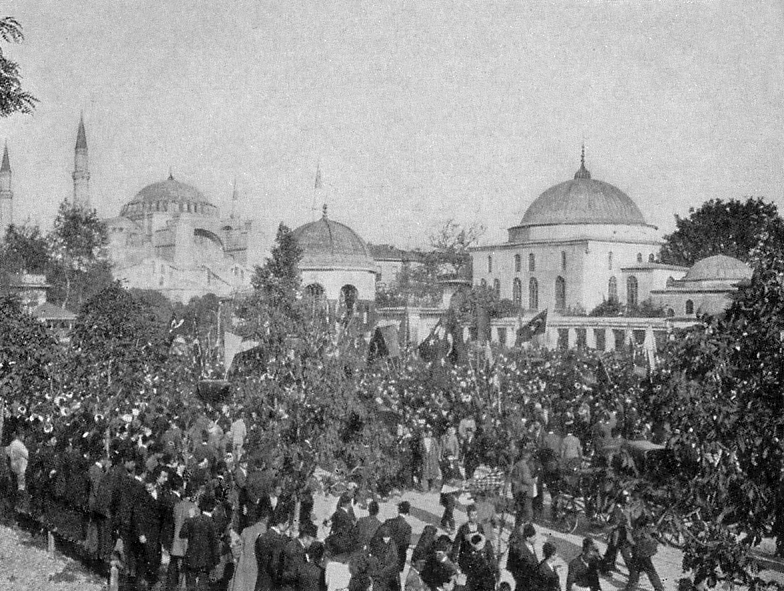
Ottoman EmpireOttoman Empire Rise and Decline The Ottoman Empire, formed in the early 14th century, was one of the three Islamic Empires. The Empire survived through World War I but immediately disbanded following the war.
-
Ottoman EmpireOsman becomes sultan making the Ottomans a true established empire.
-
Persian TimelineAbu Said dies and the Ilkhanate disintegrates. After the Ilkhanate, the regional states established during the disintegration of the Ilkhanate raise their own candidates as claimants.
-
Islamic EmpiresCapital of Ottoman Empire moved from Bursa to Adrianople.
-
Safavid EmpireIn 1501, the Safavid Shahs declared independence when the Ottomans outlawed Shi'a Islam in their territory.
-
Safavid EmpireIsmail becomes the shah of Persia.
-
History of Iran: Safavid Empire The Safavid Empire dates from the rule of Shah Ismail.The Safavid Empire was based in what is today Iran.The state religion was Shi'a Islam. All other religions, and forms of Islam were suppressed.
-
Safavid EmpireIsmail defeats the Uzbeks. Then, conquers what is known as modern day Baghdad.
-
Safavid EmpireShah Ismail was proclaimed ruler at the age of 14 or 15, and by 1510 Ismail had conquered the whole of Iran.
-
Mughal EmpireBabur lays foundation of Mughal Empire; wins First Battle of Panipat.
-
Islamic TimelineBabur (Mongolian) seizes the Delhi sultanate and takes control of northern India.
-
Mughal Empire The word "Mughal" is the Indo-Aryan version of "Mongol." The Mughals retained aspects of Mongal culture. The religion of Moghals was Islam. Under Akbar the Great, the empire grew considerably, and continued to expand until the end of Aurangzeb's rule. Jahangir, the son of Akbar, ruled the empire between 1605 and 1627. Aurangzeb died, and the empire slowly declined.
-
Mughal Empire TimelineHumayun succeeded his father, Babur. Humayun was the second Mughal Emperor who ruled present day Afghanistan, Pakistan, and parts of northern India from 1530–1540 and again from 1555–1556. Like his father, Babur, he lost his kingdom early, but with Persian aid, he eventually regained an even larger one.
-
The Ottoman empire conquers Mesopotamia from the Safavid empire.
-
The Ottoman–Safavid War of 1623–1639 was the last of a series of conflicts fought between the Ottoman Empire and Safavid Persia.The Safavids and Ottomans finally declare peace.
-
Islamic TimelineAkbar founds the Mughal dynasty in northern India.
-
Islamic Empire TimelineHumayun is rumored to have fell on his library steps resulting in his untimely unexpectable death.
-
Abkar abolishes Jizya.
-
Shah AbbasThe reign of Shah Abbas begins. Shah Abbas I was the first of the Safavid Shahs to establish Persia as a homogeneous state, enforcing, often brutally, adherence to Shi'ism, and imposing Farsi as a unifying language throughout the land.
-
Safavid king Shah Abbas I creates a gunpowder-based military force
-
Persian TimelineSafavid king Shah Abbas I moves the capital to Isfahan
-
Mughal TimelineBritish East India Company is chartered.
-
The Safavids capture Baghdad from the Ottomans. The Ottoman Turks and Safavids fought over the fertile plains of Iraq for more than 150 years. The capture of Baghdad by Ismail I in 1509 was only followed by its loss to the Ottoman Sultan Suleiman I in 1534.
-
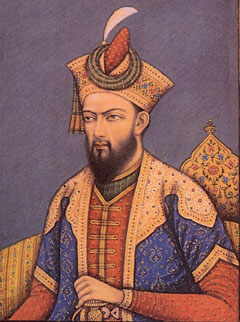
Picture of AurangzebAurangzebReign of Aurangzeb, last great Mughal ruler.
-
Jijya is re-imposed, Mughal Empire. Under Islamic law, jizya is a per capita tax levied on a section of an Islamic state's non-Muslim citizens, who meet certain criteria.
-
Battle of Plassey--British victory over Mughal forces in Bengal; British rule in India begins.
-
East India Company dissolved; rule of India under the British crown--the British Raj--begins with Government of India Act; formal end of Mughal Empire.
-
Ottoman EmpireThe Ottoman Empire is declared bankrupt.